Repointing is the repair Chimney Moncton most wishes people called about sooner. At $1,000–$3,000, it's the difference between renewing a chimney's mortar on your schedule and rebuilding its masonry on your insurer's — and in this climate, the window between the two closes fast.
What repointing actually is
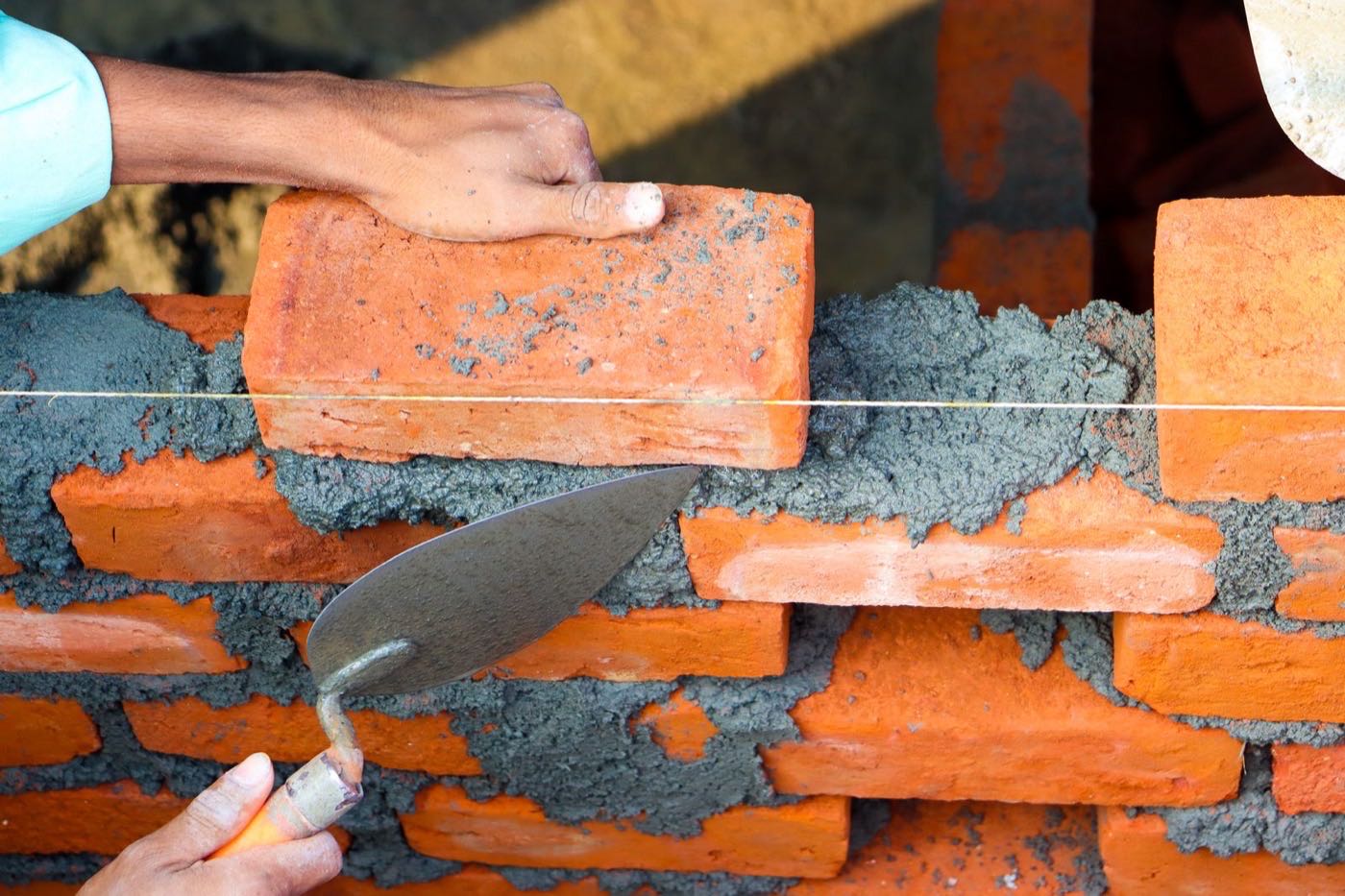
Mortar is the sacrificial element of a masonry chimney. It's deliberately softer than the brick, so that weather eats the joints — which can be renewed — instead of the brick, which can't. Repointing (masons also say "tuckpointing") is that renewal: the failed mortar is ground or raked out to sound depth — typically two to two-and-a-half times the joint width, not just skimmed — the joints are cleaned and dampened, and fresh mortar is packed in lifts and tooled to a profile that sheds water. Done properly, it restores the chimney's weather seal and its structural bond in one pass.
Done improperly — mortar smeared over failed joints without grinding — it's cosmetic, and Moncton's freeze-thaw pops it off within a few winters. If a quote seems too cheap to include grinding, that's what's missing.
Why mortar dies fast here
Two accelerants work on every chimney in southeastern New Brunswick. The freeze-thaw cycle: water wicks into a hairline gap in a joint, freezes, expands about 9%, and wedges the gap wider — dozens of times per winter. And salt air: chloride-laden humidity off the Northumberland Strait and Bay of Fundy chemically accelerates mortar erosion, which is part of why Atlantic chimneys age faster than identical brick inland. The first visible symptoms, in order: joints that look recessed or shadowed, mortar sand collecting on the roof or in the eavestrough, efflorescence — the white salt bloom that means water is moving through the masonry — and finally flakes of brick face on the ground.
The mortar-match problem on older Moncton homes
Here's the failure mode that separates masons from patchers. Pre-war brick — common in Moncton's older neighbourhoods around the downtown core, Sunny Brae and Lewisville — was fired softer than modern brick and laid in lime-rich mortar. Repoint it with modern Type S, a hard portland-cement mortar, and the joints become more rigid than the brick: every freeze-thaw cycle then transfers its stress into the brick faces, and the brick spalls while the "repaired" joints stand proud. The correct spec is matched to the masonry — Type N or a softer lime-blend mortar for older brick, colour-matched and tooled to the original profile. Partner masons quote the mortar spec explicitly; it's a fair thing to ask any bidder about.
Spalled brick replacement
Individual spalled bricks — faces popped off, porous cores exposed — can't be repointed back to health, but they can be cut out and replaced one at a time: the surrounding joints are ground, the damaged brick comes out, a matched brick goes in on fresh beds. A handful of replacements folds neatly into a repointing job. The honest threshold: once spalling covers whole courses or dozens of bricks, brick-by-brick surgery costs more than it's worth and the section needs to come down — that's partial-rebuild territory, typically from the roofline up, and a straight-shooting mason will say so at the assessment rather than sell you a repointing that can't hold.
Crown and cap — the $500 repair that prevents the $5,000 one
The crown (the concrete wash on top of the stack) and the cap (the metal cover over the flue) are the chimney's roof, and most chimney deterioration in this region starts with one of them failing. Crown and cap work typically runs $500–$1,500:
- Crack repair and crown coating — hairline cracks sealed and the crown surfaced with a flexible crown-coat membrane, when the crown is structurally intact
- Crown recast — when the existing crown is a cracked mortar smear (very common on local chimneys), it's removed and replaced with a proper cast concrete crown wash: sloped, overhanging with a drip edge, bond-broken around the flue tile
- Stainless cap installation — keeps rain and snow out of the flue and wildlife out of the house; on unlined or oversized flues it also cuts the condensation that feeds interior decay
- Flashing repair — step and counter-flashing resealed where "chimney leak" is actually a roofline joint leak
After repointing, many masons finish with a breathable siloxane water repellent — it sheds rain but lets the masonry release vapour. (Film-forming sealers do the opposite: they trap moisture inside the brick, where freeze-thaw goes to work on it. If a bidder proposes "sealing" the chimney with paint-on waterproofing, keep shopping.)
Repointing and your WETT file
Deteriorated masonry is one of the specific findings that fails a WETT inspection — the report insurers commonly require on wood-burning homes. Repointing plus crown repair is often exactly the scope that takes a chimney from "deficiencies noted" to a pass, at the bottom of the repair-cost ladder. If your insurer's letter started this, get the WETT report into the quote request: the partner mason scopes to what the inspector flagged, and the completed, photographed work is what closes the file. Full pricing context for every tier is on the cost page.
The maintenance math: repointing at $1,000–$3,000 roughly every 20–30 exposed-season years, versus a $2,000–$5,000 roofline rebuild the first time the joints are left open through a few winters — and $3,000–$10,000+ if it keeps going. Chimneys in this climate reward the owner who moves at the "mortar sand in the eavestrough" stage.