Of everything that drives chimney work in New Brunswick, nothing moves faster than an insurance file with a deadline on it. Most of the urgent calls Chimney Moncton fields trace back to one document: a WETT inspection report with deficiencies listed — and a policy that won't issue, or renew, until they're fixed.
What WETT is, and why your insurer cares
WETT — Wood Energy Technology Transfer — is the Canadian certification body for professionals who inspect, sweep and install wood-burning systems. A "WETT inspection" is an examination of your wood stove, fireplace, insert or wood furnace and the chimney serving it by a WETT-certified professional, measured against the installation codes and clearances the appliance was certified to.
Insurers lean on it because wood heat is a fire-risk category they can't assess from a desk. The documented Canadian practice — laid out by insurance resources like Ratehub and iSure — is that insurers commonly require a WETT inspection before issuing or renewing coverage on a home with a wood-burning appliance: when you buy the house, when you add a stove, or at renewal when the insurer updates its file. And the flip side is sharper: a wood-burning system or chimney problem that goes undisclosed risks a denied claim after the fire you were insuring against. In a province with New Brunswick's wood-heat density, WETT paperwork is simply part of owning the house.
The inspections themselves are available locally — WETT-certified inspectors operate across New Brunswick, including established home-inspection firms like The Inspectors in Saint John. Inspection and repair are separate roles, and that separation protects you: the person writing the report has no stake in the repair bill.
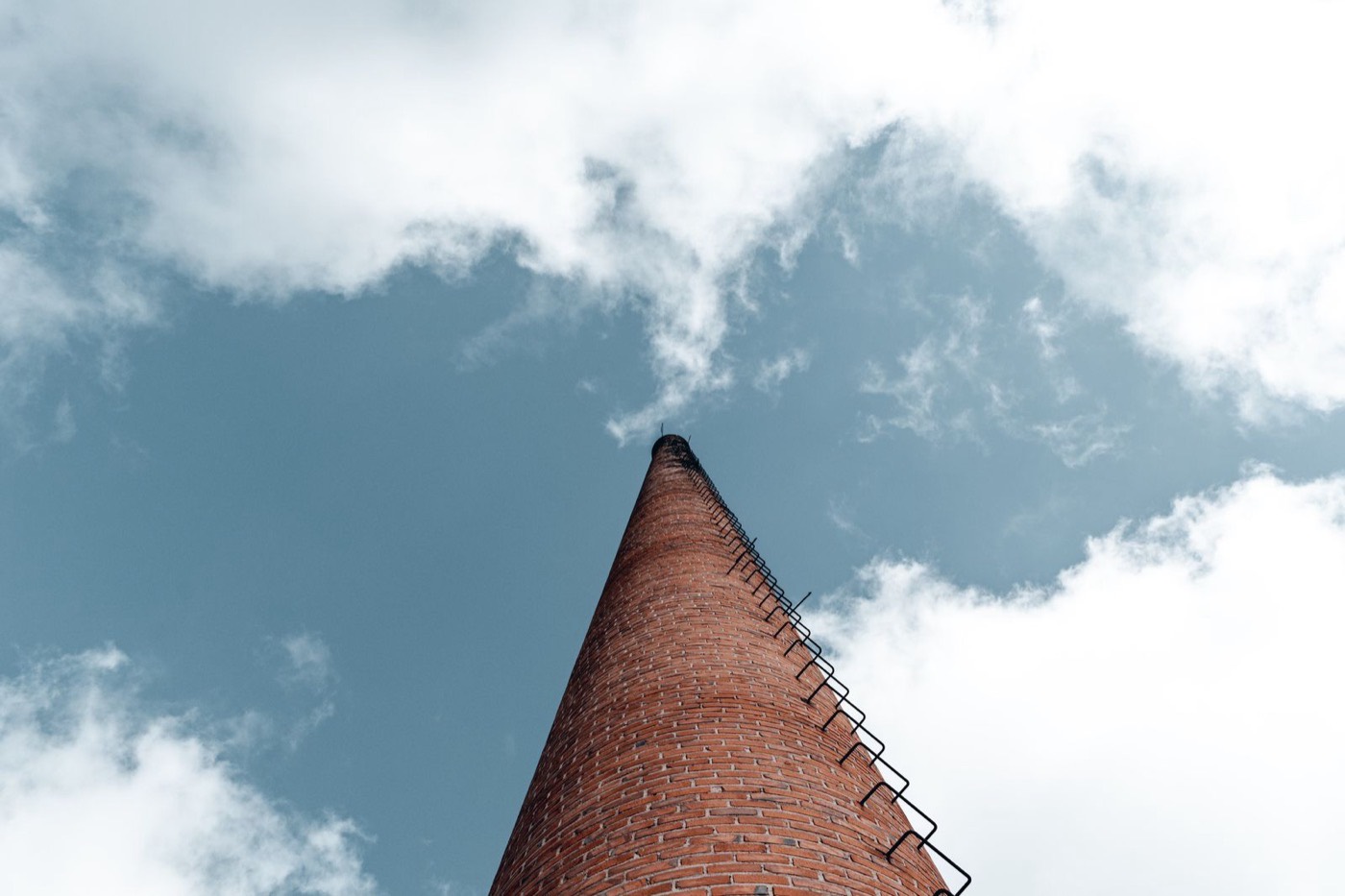
What the inspection covers
Inspections come in levels of depth. A Level 1 inspection is a visual check of the readily accessible system — the standard ask for insurance renewals. A Level 2 goes further into accessible spaces (attic, roof, sometimes a flue camera) and is common for real-estate transactions and follow-ups on suspected problems; invasive Level 3 work exists for serious cases. Whatever the level, the inspector is checking the same fundamentals:
- Chimney masonry condition — spalling, cracked or missing brick, eroded joints, crown condition, lean
- Flue and liner condition — cracked or missing clay tiles, an unlined flue, a liner mismatched to the appliance, heavy creosote
- Clearances to combustibles — the certified distances between the appliance, its flue pipe and anything burnable
- Floor protection, connections and components — hearth pads, flue-pipe assembly, cap, and the appliance's certification listing itself
"Fail" means a repair list, not a condemned house
A WETT report doesn't pass or fail in the dramatic sense — it documents deficiencies. What turns it into a "failed WETT" is your insurer's response: correct these items before we bind or renew coverage. Here's how the common chimney findings map to their fixes:
| Finding on the report | The repair | Typical cost |
|---|---|---|
| Deteriorated masonry — eroded joints, minor spalling | Repointing & brick replacement | $1,000–$3,000 |
| Cracked crown, missing cap | Crown recast, stainless cap | $500–$1,500 |
| Cracked flue tiles, unlined or oversized flue | Insulated stainless liner | $2,000–$4,500 |
| Structural deterioration above the roofline | Partial rebuild, roofline up | $2,000–$5,000 |
| Cracking, spalling or lean through the stack | Full rebuild | $3,000–$10,000+ |
All ranges, with what moves a job inside them, are on the cost page. Note the pattern: the earlier a chimney enters this table, the cheaper its row.
The sequence that closes the file
Send the report with your quote request
The deficiency list is the scope. A partner professional quotes against exactly what the inspector wrote — no padding, no guessing.
Repairs by qualified hands
Masonry by insured partner masons; liners and appliance-side corrections by WETT-certified technicians. Photographed and invoiced against each finding.
Re-inspection
The inspector confirms the deficiencies are corrected. That clean report is the document your insurer actually wants.
Coverage confirmed
The broker gets the paperwork, the condition comes off the policy, and the chimney file goes back to being boring — which is the goal.
Two situations worth flagging
Buying a house with a wood stove? Make the WETT inspection part of the deal, not a surprise after closing — your insurer will likely require it anyway, and a deficiency list discovered before the deal firms up is negotiating leverage instead of your bill. The full playbook is on our buying & selling page.
Tempted to just pull the stove out? Decommissioning the appliance is sometimes the rational move — but it doesn't make a deteriorated chimney disappear. The stack still stands in the freeze-thaw, now colder and wetter than before, and a home inspector will still write it up at sale. Removing the appliance answers the insurer's wood-heat question; it postpones the masonry question at interest.
On a renewal deadline right now? Get the written quote first — a signed repair contract with a schedule is what brokers use to keep underwriters comfortable while the work is booked. Call with the report in hand and the quote moves same-week.